Why Sports Netting Sags and Why the Real Problem Isn’t the Net
Walk into many sports facilities, and the same issue appears: nets that no longer stay tight.
Pickleball courts with sagging nets. Divider systems that require constant adjustments. Netting that slowly loses alignment between games.
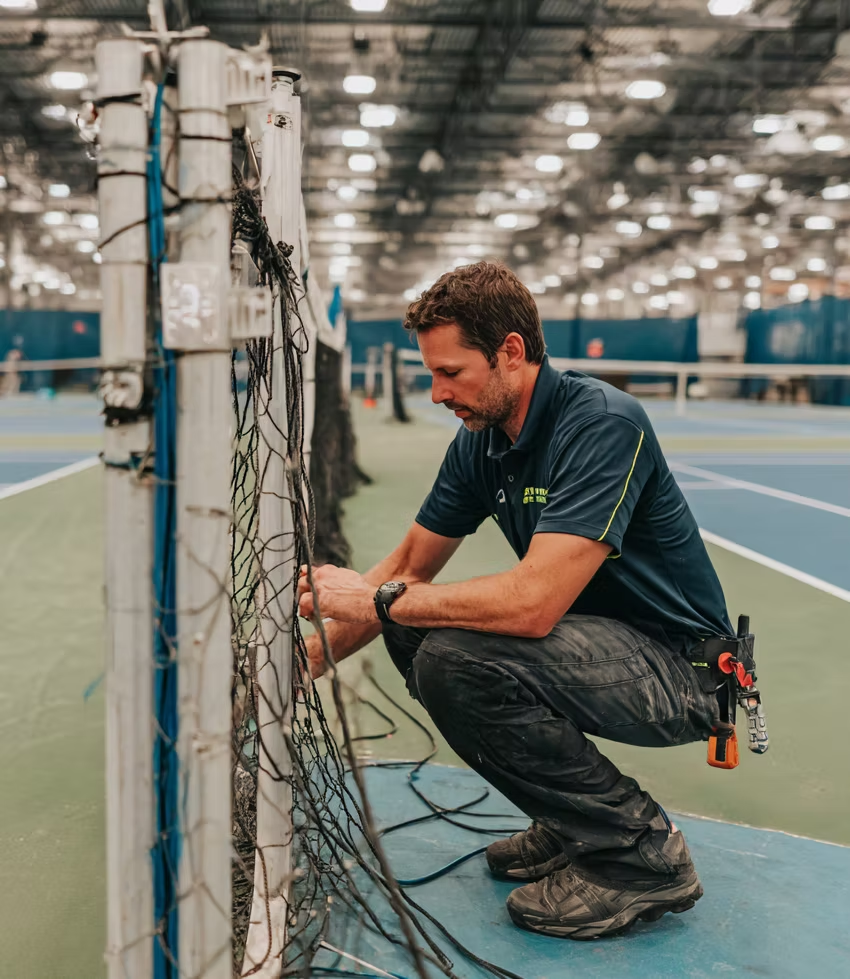
These problems are often treated as routine maintenance. Staff tighten tension lines, adjust net height, and move on to the next task.
But in busy sports complexes running leagues, lessons, and open play throughout the day, even a five-minute adjustment repeated several times a day can become hours of maintenance work each week and dozens of hours each month.
Loose rope tension systems create more than inconvenience. They increase maintenance workload, introduce safety risks, and shorten the lifespan of equipment that should last for multiple seasons.
In many cases, the root cause is simple: The cordage responsible for maintaining tension was never designed for the demands of high-use sports facilities.
Daily Reconfiguration Puts Unnecessary Pressure on Staff
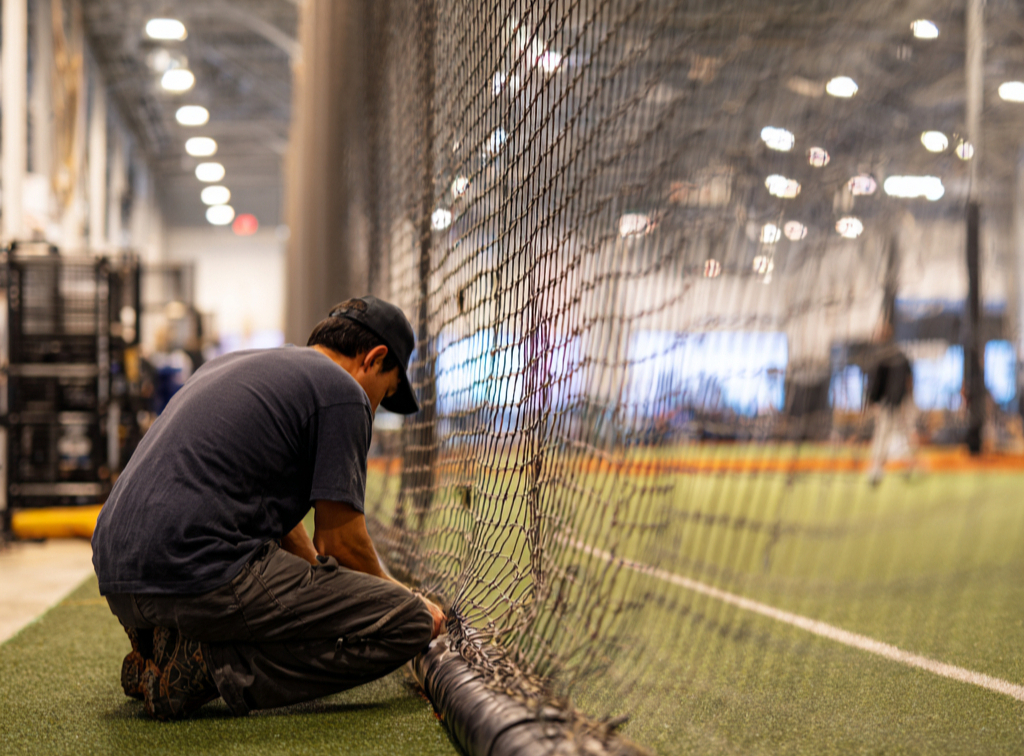
In most indoor and multi-use sports facilities, staff are constantly reconfiguring spaces throughout the day. Typical changes include:
Converting tennis courts to pickleball layouts
Opening courts for tournaments
Pulling divider nets for lessons or clinics
Retracting nets for open practice
Resetting ball-stop curtains between sessions
When rope systems begin to stretch or wear out, these routine tasks become more difficult.
Staff are forced to retie knots, untangle cords, and repeatedly adjust sagging systems, turning what should be quick transitions into time-consuming manual work. Over time, this creates frustration for staff and slows down facility operations.
Common Problems Facility Managers Encounter
When rope systems degrade, the impact shows up in daily operations, not all at once, but through constant small issues that add up.
Increased Maintenance Time
Loose tension systems require frequent attention.
Staff may need to:
Tighten nets before play
Adjust divider curtains between sessions
Inspect and correct worn rope systems
Across multiple courts, these tasks can quickly add up to dozens of maintenance hours per month. What should be a set-and-forget system becomes a recurring operational burden.
Safety and Liability Concerns with Sports Netting
When tension systems fail, the risks extend beyond maintenance.
Sagging divider nets can:
Extend into playing areas
Allow balls to pass through gaps
Cause players to run into loose netting
Loose or improperly tensioned rope systems can also:
Hang into walkways
Drop toward floor level
Create tripping hazards in high-traffic areas
In facilities where players move quickly, and courts are frequently reconfigured, these issues increase both safety risks and liability exposure.
Short Equipment Lifespan
Standard rope materials often stretch under repeated use.
As tension is lost, systems no longer perform as intended, leading to more frequent replacement of:
Rope tension lines
Elastic cords and bungees
Net systems and hardware
Instead of lasting multiple seasons, these systems may require replacement every year—or sooner in high-use environments.
Poor Facility Appearance
In membership-based facilities and private clubs, appearance matters.
Sagging nets, uneven divider systems, and worn cordage create the impression of a poorly maintained facility.
For facilities competing for memberships, tournaments, and events, presentation directly affects the customer experience.
Rope Wear Isn’t Always Visible
One of the most overlooked challenges in sports facilities is that rope failure is not always obvious. Cordage may appear intact while already being compromised due to:
Internal fiber breakdown from repeated tension cycles
UV exposure from skylights or windows
Friction wear from pulleys and hardware
By the time visible sports netting damage appears, performance has already declined.
This is often when facilities begin to experience sagging nets, increased maintenance, and unexpected failures.
How Engineered Cordage Improves Facility Operations
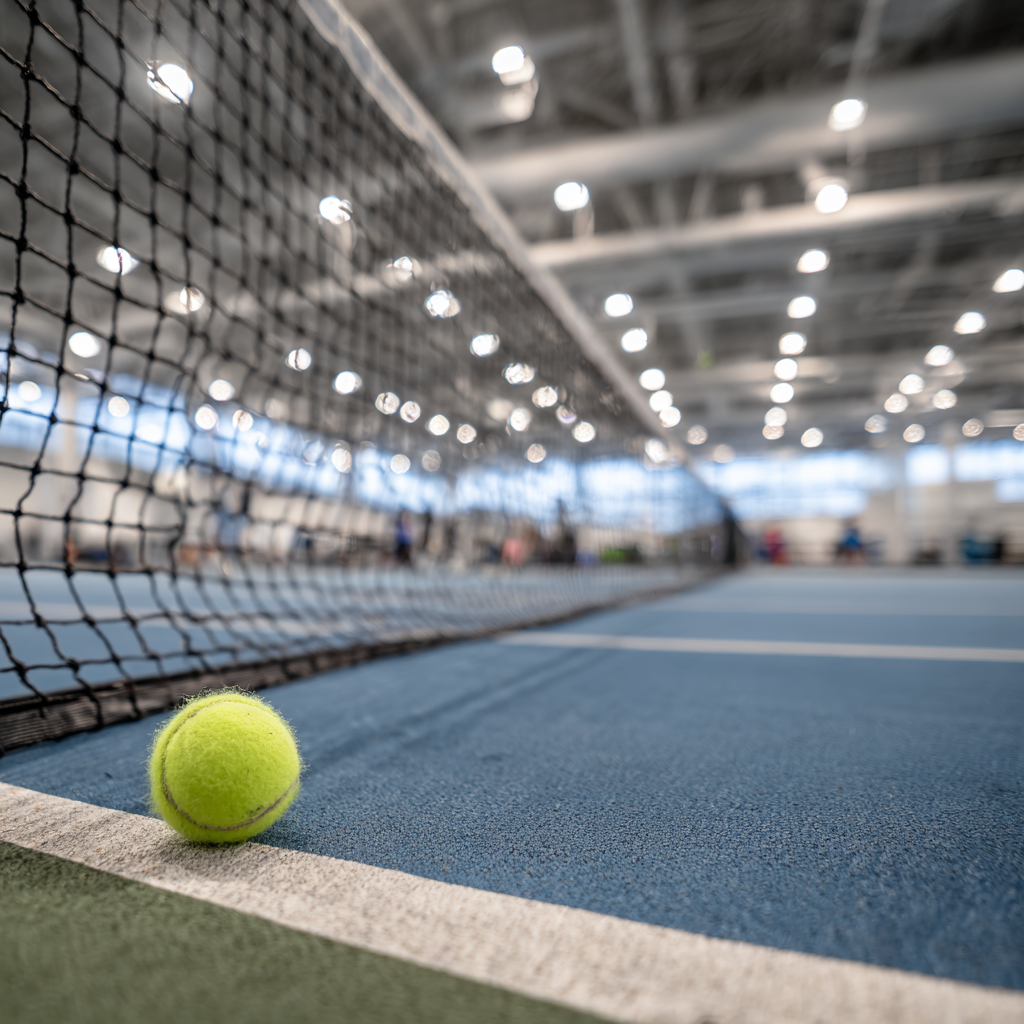
Many of these issues can be addressed by upgrading to rope systems designed specifically for high-use environments.
Reduced Maintenance Requirements
Engineered cordage maintains tension under repeated use. Nets stay aligned longer, divider systems operate smoothly, and staff spend less time making adjustments. This reduces the number of daily maintenance tasks and improves overall operational efficiency.
Longer Service Life
High-performance materials resist stretching, abrasion, and environmental wear.In demanding sports environments, this allows rope systems to maintain performance across multiple seasons, reducing replacement frequency and lowering long-term costs.
Improved Facility Performance and Presentation
Properly tensioned systems keep courts consistent and equipment aligned. This improves both gameplay and the overall appearance of the facility, creating a more professional environment for players and guests.
Why Investing in Better Cordage Reduces Long-Term Sports Netting Costs
Lower-cost rope systems often require frequent adjustment, replacement, and inspection.
Maintenance teams may spend time:
Re-tying rope knots
Untangling divider cords
Adjusting sagging nets
Replacing worn components
Investigating safety concerns
In larger facilities, these recurring tasks can add up to dozens of maintenance hours each month. Higher-performance cordage systems are designed to:
Maintain tension longer
Reduce the need for adjustments
Simplify court reconfiguration
Improve safety
The result is more reliable day-to-day operations and lower long-term maintenance costs.
Rope Materials Used in Sports Facilities
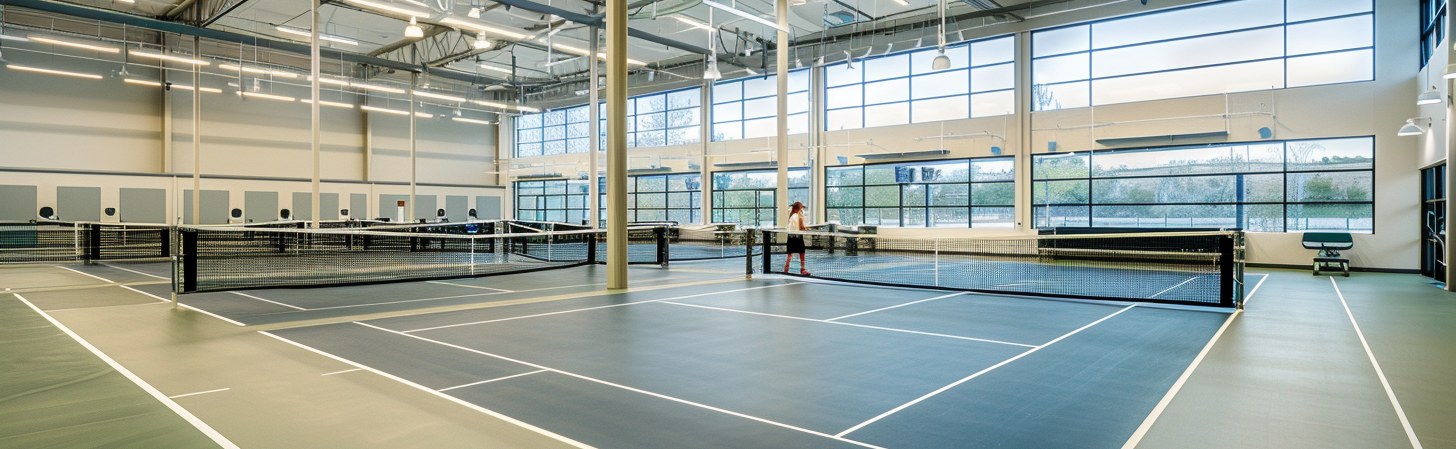
The performance of rope systems depends on selecting the right material for the application.
Polyester
Polyester offers low stretch, allowing nets and divider systems to maintain consistent tension over time. It also resists UV exposure and moisture, making it suitable for indoor and outdoor environments.
Nylon
Nylon provides strength and controlled elasticity. This allows it to absorb impact without breaking, making it useful in dynamic systems where flexibility is required.
HMPE
HMPE delivers very high strength with minimal stretch. It is ideal for applications where maintaining precise tension is critical under load.
Elastic Bungee Cordage
Elastic bungee cord systems stretch and recover repeatedly, maintaining tension while absorbing impact. These are commonly used in applications where flexibility is required without losing alignment.
NeoCorp Engineered Rope Solutions for Sports Facilities
NeoCorp designs and manufactures engineered rope and elastic systems used in sports facilities worldwide. Applications include:
Court net tension systems
Divider curtain rigging
Protective netting systems
Facility boundary and barrier systems
NeoCorp cordage is built for durability, consistent performance, and reliability in high-use environments.
The Operational Takeaway
Sagging nets and worn tension systems are often treated as routine maintenance.
In reality, they are signs of cordage that cannot maintain performance under daily use.
Upgrading rope systems can:
Reduce maintenance time
Improve safety
Extend equipment lifespan
Simplify daily operations
For facility managers responsible for keeping courts running efficiently, better cordage is one of the simplest upgrades with a measurable impact. Small infrastructure issues, like worn rope systems, often create the largest operational inefficiencies. Fixing them doesn’t just improve equipment. It improves how the entire facility runs.